
The Psychological Impact of Erectile Dysfunction and How to Overcome It
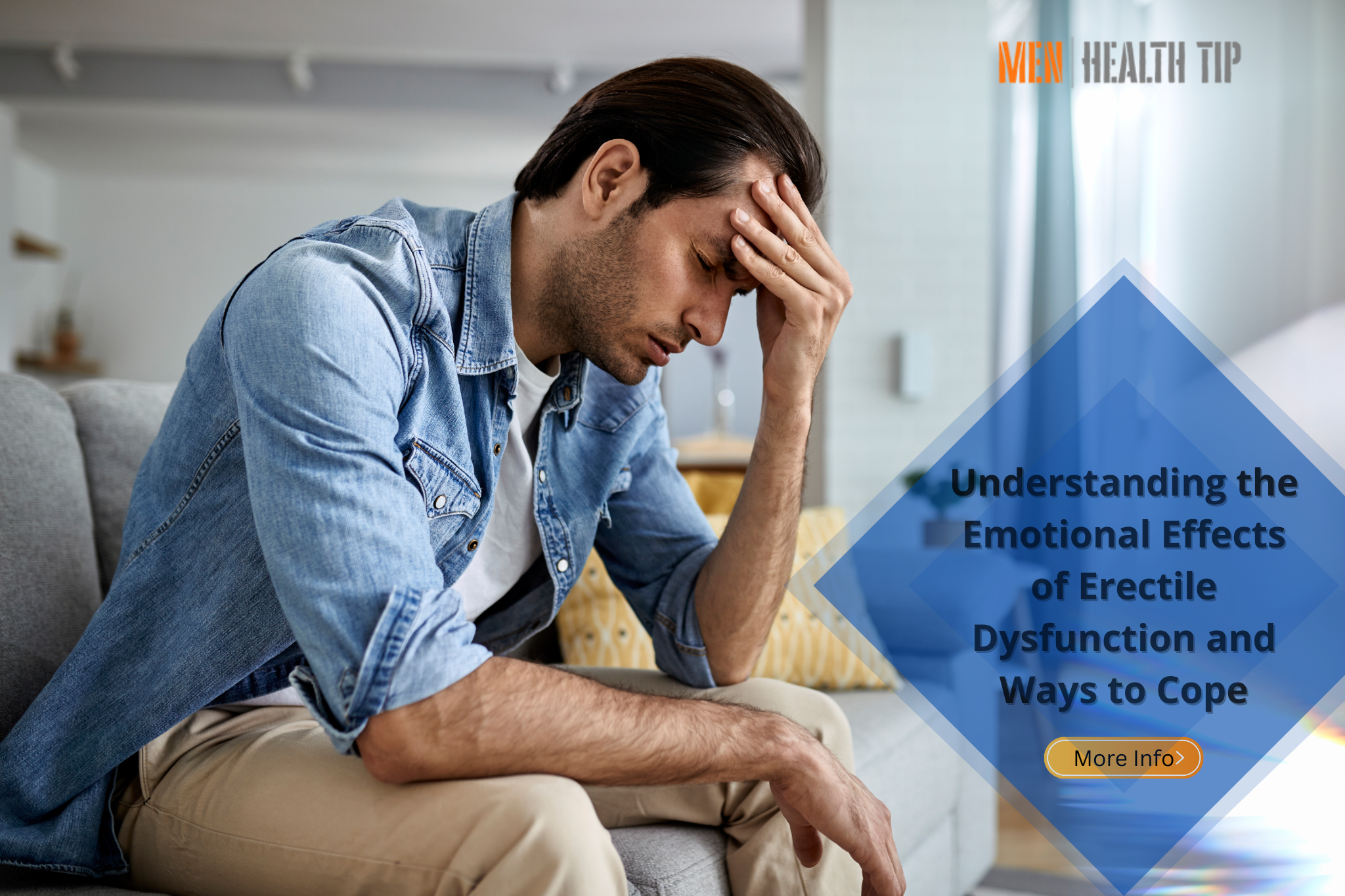
Erectile dysfunction (ED) is more than just a physical problem—it can hit you hard emotionally too. While most people think of ED as a "performance issue," its psychological effects can be just as overwhelming. It’s not just about losing the ability to get an erection; it can lead to anxiety, depression, and serious self-esteem struggles. In this post, we’ll talk about how ED affects your mental well-being and offer some practical tips for dealing with the emotional side of it.
1. The Emotional Toll of ED
When ED shows up, it’s not just your body that feels the effects—it can change how you feel about yourself and how you experience life in general. Some of the most common emotional impacts include:
- Anxiety: The fear of not performing can create a loop of worry, making it harder to relax and enjoy intimacy. The pressure to perform builds, and that can cause more stress.
- Depression: Ongoing difficulties in the bedroom might make you feel down or even hopeless. You might start to question your self-worth, or feel like you're losing part of your masculinity.
- Low Self-Esteem: For many men, sexual performance is tied to self-image. When ED happens, it can make you feel less attractive or less capable, which can knock your confidence.
- Shame: Society often connects masculinity to sexual performance, so not being able to perform can bring on feelings of shame. This can stop you from talking about it openly, making it worse.
2. How ED Affects Relationships
The mental impact of ED doesn’t just affect you—it can take a toll on your relationship, too. Here's how:
- Difficulty Talking About It: Many men struggle to talk about their ED. They fear being judged or rejected. This lack of communication can create tension and distance between you and your partner.
- Loss of Intimacy: ED can start to rob you of closeness, not just sexually, but emotionally too. As sexual intimacy decreases, the emotional connection may feel strained, leading to frustration on both sides.
- Stress on Your Partner: Your partner may also feel stressed or frustrated by the situation. They may not know how to help or may take it personally, which can add more pressure.
3. Negative Thinking Cycle
Once ED enters the picture, it can create a cycle of negative thoughts that’s tough to break. Here’s how it often unfolds:
- Performance Anxiety: It all starts with one or two bad experiences. That fear of it happening again creates anxiety, which makes it more likely to happen next time. And the cycle continues.
- Growing Shame: The longer ED goes on, the more shame can pile up. This shame becomes part of your identity, making it harder to seek help or even talk about it.
- Loss of Confidence: If ED persists, it can undermine your confidence not just in the bedroom, but in other areas of your life too. It can feel like you're losing a part of who you are.
4. How to Overcome the Psychological Impact of ED
The good news is that you don’t have to stay stuck in this cycle. There are ways to break free from the emotional toll of ED. Here’s how:
A. Talk Openly with Your Partner
One of the most important steps is to communicate with your partner. Instead of hiding your struggles, open up about how you're feeling. This can ease the emotional burden and bring you closer together.
- Communication Tips:
- Choose a time to talk when you're both relaxed.
- Be honest and use “I feel” statements to express your emotions.
- Encourage your partner to share their feelings too.
B. Seek Professional Help
ED is treatable, and seeking help is an important step. A doctor or therapist can provide the support you need to address the physical and emotional sides of the condition.
- Therapy: Talking to a therapist who specializes in sexual health can help you work through any psychological barriers that are contributing to ED. Cognitive Behavioral Therapy (CBT) or couple’s therapy can be very effective.
- Medication: For many men, medications like Viagra or Cialis can help improve sexual performance, which in turn can reduce anxiety and boost confidence.
C. Practice Stress-Relief Techniques
Anxiety and stress can make ED worse. Managing stress is crucial for both your mental and physical well-being. Here are a few ways to ease the tension:
- Mindfulness: Meditation, deep breathing, or mindfulness practices can help calm your mind and reduce anxiety.
- Exercise: Regular physical activity isn’t just good for your body; it also improves mood, boosts energy, and reduces stress.
- Sleep: Getting enough quality sleep is important for overall health, including mental health.
D. Focus on Emotional Connection, Not Just Performance
Instead of putting all the focus on sex, try to rebuild your connection with your partner in other ways. Emotional intimacy, shared experiences, and affection can strengthen your bond, even when sexual performance is challenging.
- Non-Sexual Intimacy: Spend quality time together that doesn’t focus on sex—cuddling, kissing, or just enjoying each other’s company can help you feel close.
- Redefine Masculinity: Let go of the idea that your worth is tied to sexual performance. Being a strong, confident man has many layers, and your value isn’t just measured by what happens in the bedroom.
5. When to Seek Mental Health Support
While it’s possible to overcome the psychological challenges of ED on your own, there are times when professional help is needed. Here’s when you should consider seeing a therapist:
- If You're Feeling Overwhelmed: If your feelings of anxiety or depression are getting worse, it’s important to talk to a mental health professional.
- If It’s Affecting Your Relationship: If ED is causing serious strain on your relationship, couples counselling can help rebuild communication and intimacy.
- If You Can't Shake the Shame: If feelings of shame or self-doubt are persistently holding you back, therapy can help you address these underlying emotional issues.
Conclusion:
The emotional side of erectile dysfunction is real and shouldn’t be ignored. While it can be tough to deal with anxiety, depression, and low self-esteem, there are steps you can take to reclaim your mental health and your confidence. By talking openly with your partner, seeking professional help, and focusing on emotional connection, you can overcome the psychological impact of ED and enjoy a fulfilling, happy life.
Remember: You’re not alone in this. Help is available, and with the right approach, you can move forward with confidence and strength.